
Operational efficiency in Warehouse Management System:
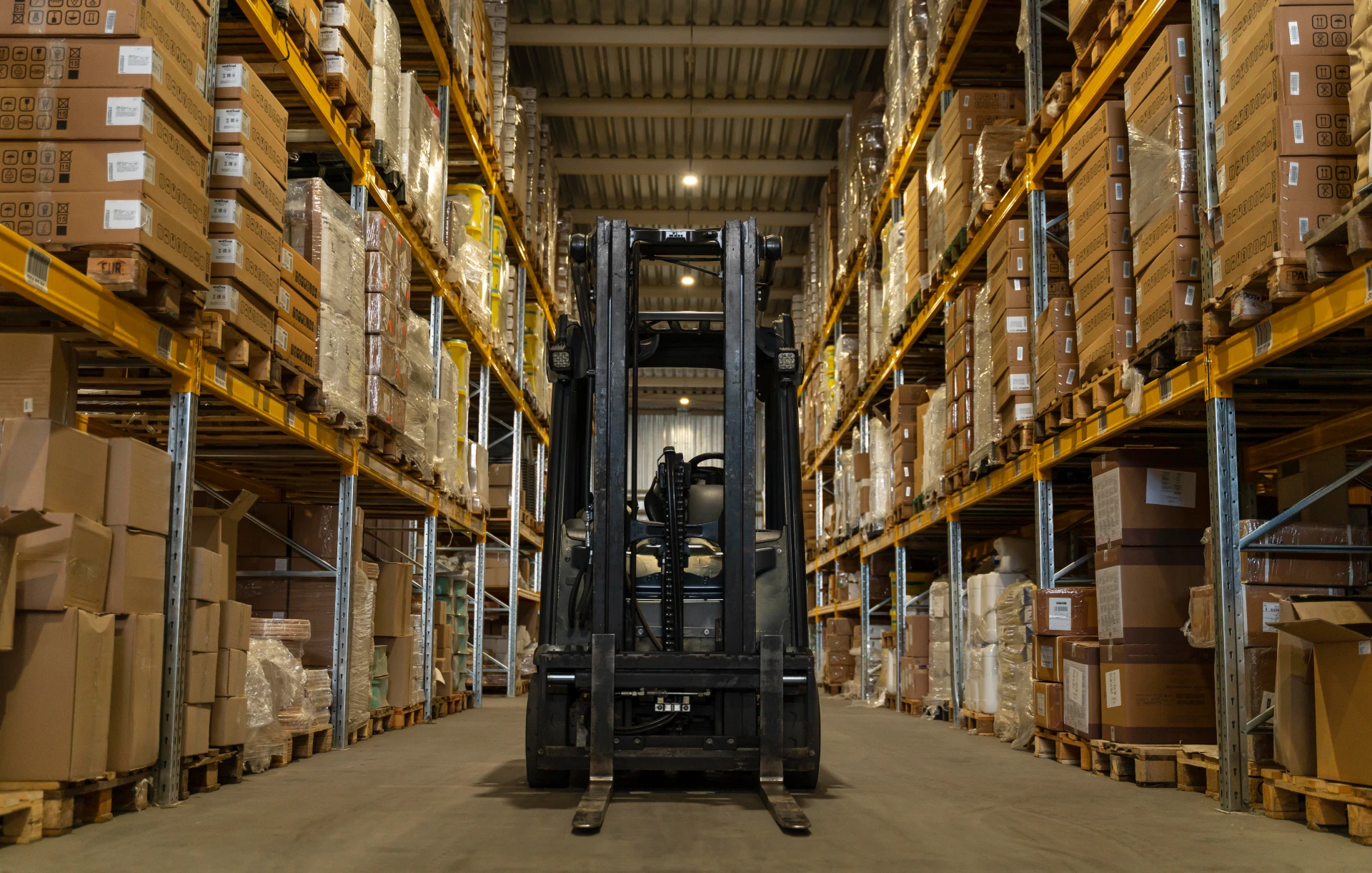
Real-Time Inventory Tracking: Our AI monitors stock levels and automatically alerts when items are low or overstocked, which help in maintaining the balance inventory to avoid shortage or excess.
Demand Forecasting: Our Machine learning models are trained to analyze historical data and seasonal trends to predict product demand, enabling more efficient stock replenishment and reducing excess inventory.
Smart Route Planning for Order Picking: AI-powered algorithms will optimize the picking routes for warehouse staff, reducing the time and effort spent collecting items for orders.
Labor Optimization: AI can analyze patterns in order volumes and optimize workforce scheduling to meet demand spikes, ensuring optimal labor deployment and cost savings.
AI-Powered Helpdesk & Chatbots: AI-driven virtual assistants and chatbots provide 24/7 customer support, instantly resolving common technical issues and answering frequently asked questions, reducing dependency on human agents.
Automated Ticket Management: Machine learning algorithms can categorize and automatically prioritize IT support tickets based on urgency, complexity, and historical data, ensuring critical issues are addressed quickly.
Predictive Issue Resolution: AI analyzes patterns in previous IT issues to predict and proactively address potential problems before they escalate, reducing downtime and improving system reliability.
Incident Root Cause Analysis: AI systems can automatically analyze logs and data to identify the root causes of incidents, providing faster diagnostics and solutions for recurring technical issues.
Personalized IT Support: AI can provide personalized IT support recommendations based on users’ profiles, roles, and preferences, improving user satisfaction and reducing resolution times for common issues.
Workforce Productivity Optimization: AI monitors workforce performance metrics and provides insights into productivity trends, enabling better workforce management and process optimization for ITES teams.
Benefits
• Faster issue resolution with intelligent automation.
• Improved customer satisfaction through personalized, 24/7 support.
• Enhanced system reliability and reduced downtime.
• Streamlined IT operations, saving time and reducing costs
AI-Powered Virtual Assistants & Chatbots: AI-driven chatbots can handle customer inquiries 24/7, addressing common questions related to product specifications, order status, maintenance schedules, and more—reducing wait times and ensuring consistent support.
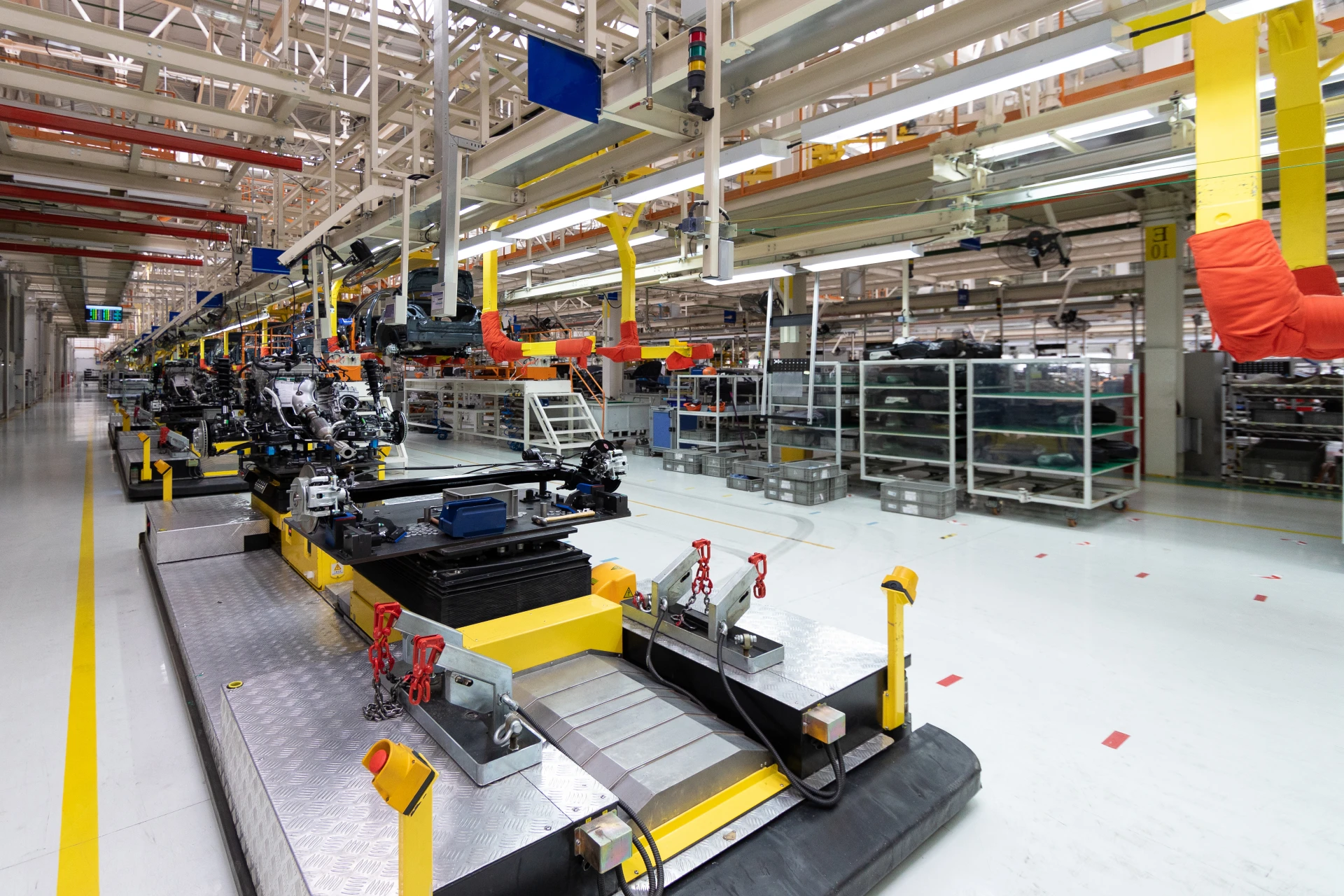
Predictive Maintenance & Support: AI analyzes machine performance data to predict when a breakdown or issue is likely to occur. This allows for proactive customer support, ensuring maintenance or part replacements happen before equipment failure, minimizing downtime for customers.
Intelligent Ticket Routing: AI automatically categorizes and prioritizes customer support tickets based on the issue’s urgency, type, and customer profile. It routes tickets to the appropriate support teams, ensuring faster resolution times and reducing bottlenecks.
Automated Technical Support for Products: AI systems can provide real-time troubleshooting for technical issues, guiding customers step-by-step to resolve common problems with manufacturing equipment, reducing the need for on-site technician visits.
Self-Service Knowledge Base:An AI-enhanced knowledge base allows customers to quickly find answers to technical questions, download manuals, and access tutorials, all personalized based on the customer’s product or machine model.
Personalized Customer Experience: AI personalizes customer support based on the specific needs of the manufacturer’s clients—whether they’re looking for new product recommendations, service updates, or guidance on equipment upgrades.
AI-Powered Feedback Analysis: AI systems analyze customer feedback from surveys, social media, and support interactions to identify trends, helping manufacturers to improve both customer service and product quality over time.
Benefits
• 24/7 customer support with instant responses.
• Reduced downtime for customers through predictive maintenance.
• Faster and more efficient ticket resolution.
• Enhanced customer satisfaction with personalized, data-driven experiences.
• Proactive problem-solving, minimizing disruptions in production or equipment performance.
Personalized Risk Assessment: AI uses large datasets, including demographic data, lifestyle habits, medical history, and driving behavior (for auto insurance), to create a highly accurate and personalized risk profile. This enables insurers to set premiums that are fair and tailored to each customer’s specific risk factors.
Behavior-Based Premium Adjustments: AI-powered solutions allow for continuous monitoring of customers’ behavior, like driving habits or health improvements, and can adjust premiums accordingly, rewarding customers who demonstrate lower risk behaviors with reduced premiums.
Predictive Analytics for Claim Risk: Machine learning algorithms analyze historical claims data, identifying patterns that predict potential claim frequency or fraud risk. This allows insurers to adjust premiums pre-emptively, based on projected future claims for individual customers or groups.
Fraud Detection: AI uses anomaly detection to identify unusual patterns or behaviors in claims data, helping insurers detect fraudulent claims early and adjust premiums to reflect actual risk, reducing losses and protecting customers from unnecessary price hikes.
Claims-Based Pricing Adjustments: AI systems monitor and analyze past claims data to better understand trends, predict future claims, and adjust insurance premiums accordingly. This ensures fair pricing based on real-world risk rather than generalized group statistics.
Dynamic Pricing Models: AI enables insurers to shift from static, annual premium adjustments to dynamic pricing, where premiums can be adjusted in real-time based on changes in customer behavior, market conditions, or new data inputs.








Input your search keywords and press Enter.